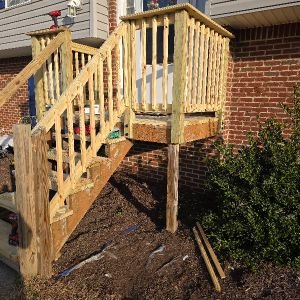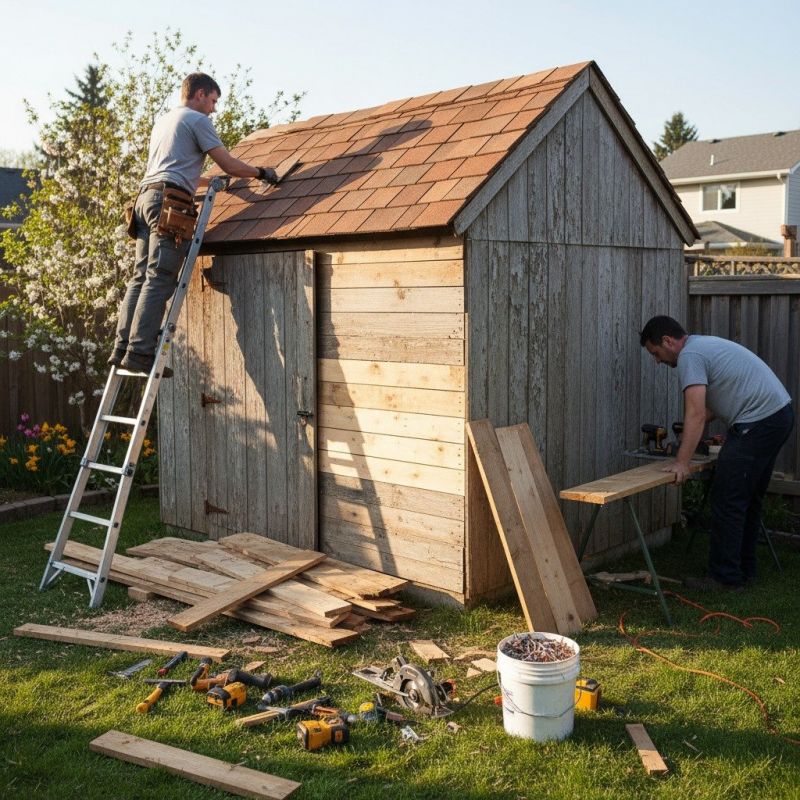
Shed Damage Repair in Wilmington, NC
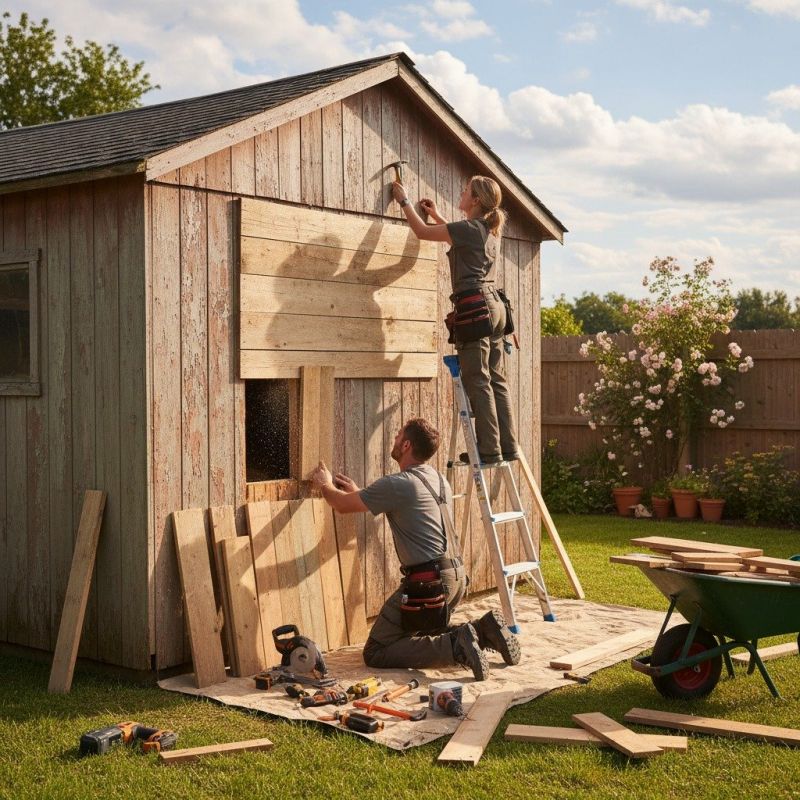
Shed damage repair services address issues caused by weather, wear and tear, or accidental impacts that compromise the structural integrity of backyard storage buildings. Projects typically include fixing broken or rotting wood, replacing damaged roofing, repairing or reinforcing walls, and restoring the overall stability of the shed. Property owners often seek this service to prevent further deterioration, protect stored belongings, and ensure the shed remains a safe and functional part of their property.
Before requesting shed damage repair, homeowners usually want to understand the extent of the damage, the proposed scope of work, and the materials needed for repairs. It’s also helpful to know if the repair process will involve any temporary removal of items or if the shed will need to be vacated during work. Clarifying these details can assist property owners in planning and ensuring the repairs effectively restore the shed’s condition and longevity.
Many property owners in Wilmington, NC look into Shed Damage Repair for repairs, replacements, upgrades, and appearance-related improvements.
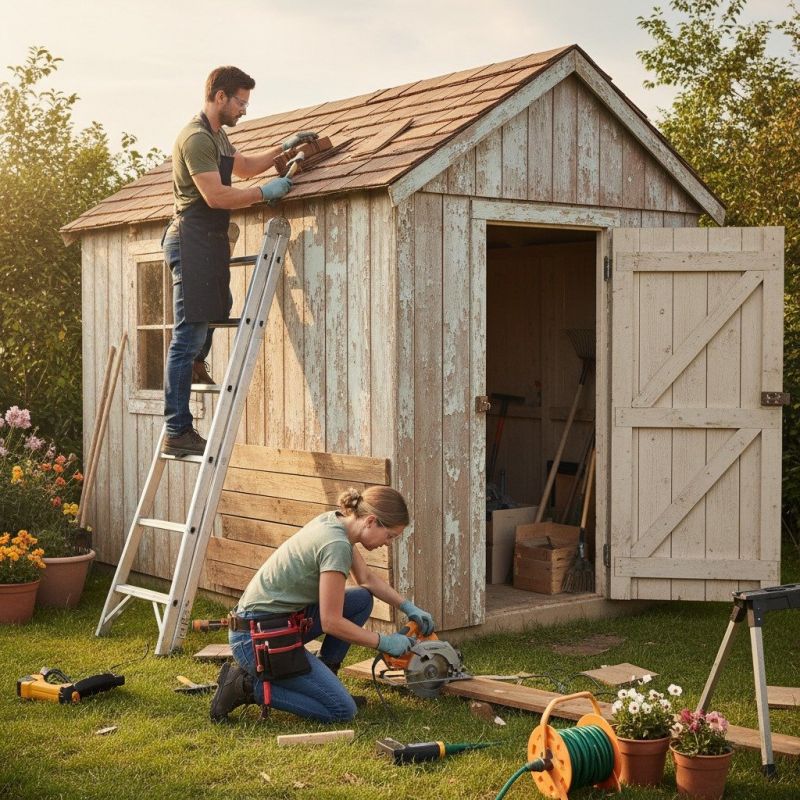
Common Causes Of Shed Damage
Weather events and aging materials can lead to structural issues in sheds.

Signs Your Shed Needs Repair
Visible cracks, sagging roofs, or broken doors indicate potential damage that requires attention.

Repair And Restoration Options
Services include replacing damaged panels, reinforcing foundations, and restoring shed integrity for continued use.
Shed Damage Repair in Wilmington, NC
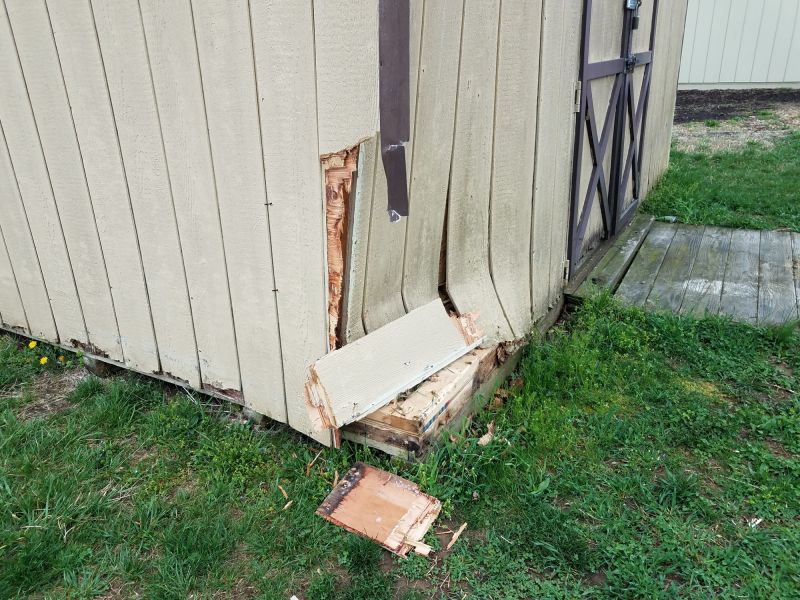
Shed damage repair services address issues caused by weather, wear and tear, or accidental impacts that compromise the structural integrity of backyard storage buildings. Projects typically include fixing broken or rotting wood, replacing damaged roofing, repairing or reinforcing walls, and restoring the overall stability of the shed. Property owners often seek this service to prevent further deterioration, protect stored belongings, and ensure the shed remains a safe and functional part of their property.
Before requesting shed damage repair, homeowners usually want to understand the extent of the damage, the proposed scope of work, and the materials needed for repairs. It’s also helpful to know if the repair process will involve any temporary removal of items or if the shed will need to be vacated during work. Clarifying these details can assist property owners in planning and ensuring the repairs effectively restore the shed’s condition and longevity.
Many property owners in Wilmington, NC look into Shed Damage Repair for repairs, replacements, upgrades, and appearance-related improvements.
Common Shed Damage Repair Jobs
Wood shed repairs - restoring rotted or damaged wood to improve shed stability and appearance.
Roof damage repairs - fixing leaks, missing shingles, or damaged flashing to protect stored items.
Siding repairs - replacing or patching damaged siding to maintain shed integrity and curb appeal.
Foundation repairs - addressing settling or cracks to ensure proper support and prevent further damage.
Door and window repairs - fixing or replacing broken or stuck doors and windows for security and functionality.
Water damage restoration - removing moisture and repairing damage caused by leaks or flooding.
Shed Damage Repair Questions
What types of shed damage require repairs? Common issues include rotting wood, broken panels, leaks, and structural instability that compromise the shed’s integrity.
How can damage affect the shed’s usefulness? Damage can lead to further deterioration, water intrusion, and reduced safety, making repairs essential to maintain functionality.
What signs indicate a shed needs repair? Visible cracks, sagging roof sections, mold growth, or loose panels are signs that repair work may be necessary.
What materials are typically involved in shed repair? Repairs often involve replacing or reinforcing wood, fixing roofing materials, sealing leaks, and restoring structural components.
Request Shed Damage Repair in Wilmington, NC
Use the quote form on this page to share the basics of your project and request more information for the type of work you need.